Psilocybin Shows Promise for Treatment-Resistant OCD in U.S. Clinical Research
A growing body of U.S.-based clinical research suggests that psilocybin—the psychoactive compound found in so-called “magic mushrooms”—may offer rapid relief for individuals living with obsessive-compulsive disorder (OCD), particularly those who have not responded to conventional treatments.
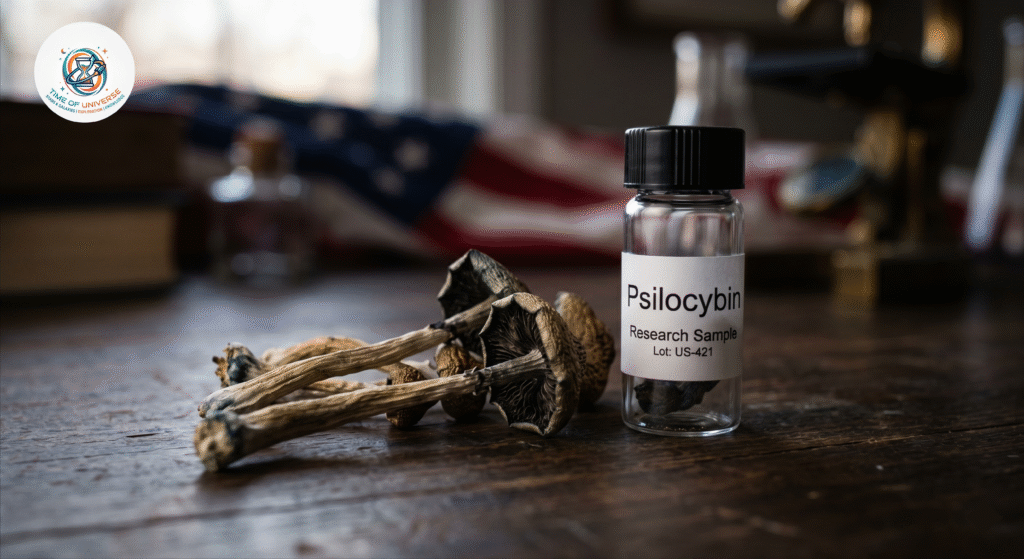
In a placebo-controlled Phase 2 clinical trial conducted under regulated research conditions in the United States, investigators evaluated the effects of a single dose of psilocybin in adults with treatment-resistant OCD. The results indicated that symptom improvement occurred quickly and, importantly, lasted for several weeks following treatment.
The study, titled “Psilocybin for Treatment-Resistant OCD: A Randomized Controlled Trial” (ClinicalTrials.gov Identifier: NCT03356483), involved 28 adult participants diagnosed with OCD who had not benefited from standard therapies. Participants were randomly assigned to receive either psilocybin or niacin (used as an active placebo) in a carefully supervised clinical setting with psychological support.
Findings from the trial showed a significantly stronger early response in the psilocybin group. Approximately 69.2% of participants receiving psilocybin met the criteria for clinical response within one week, while no participants in the niacin group met those criteria at the same time point.

Notably, the therapeutic effects of psilocybin did not diminish immediately. Available summaries of the study report that symptom improvements were sustained throughout the 12-week follow-up period. These findings suggest that a single, professionally supervised psychedelic-assisted session may provide longer-lasting benefits, rather than only temporary relief.
This potential breakthrough is particularly important given the challenges associated with treating OCD. In the United States, OCD affects an estimated 2–3% of the population, according to mental health data. Additionally, approximately 40–60% of patients do not respond adequately to first-line treatments such as selective serotonin reuptake inhibitors (SSRIs) and exposure and response prevention (ERP) therapy.
For individuals who continue to struggle with persistent intrusive thoughts and compulsive behaviors despite standard care, a fast-acting treatment with sustained effects could represent a meaningful advancement in mental health care.
Important Note
Psilocybin remains a Schedule I controlled substance under U.S. federal law and is not currently approved by the FDA for the treatment of OCD. Its use is limited to approved clinical trials and research settings. Individuals should not attempt to self-medicate and should consult licensed healthcare professionals for treatment options.