What Will Happen to Earth in the Distant Future?
Earth in the Distant Future
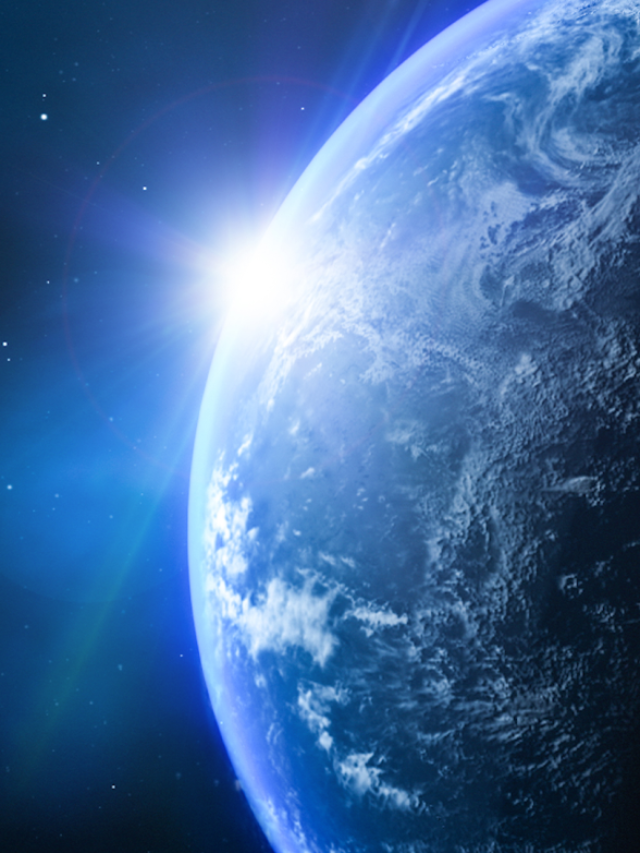
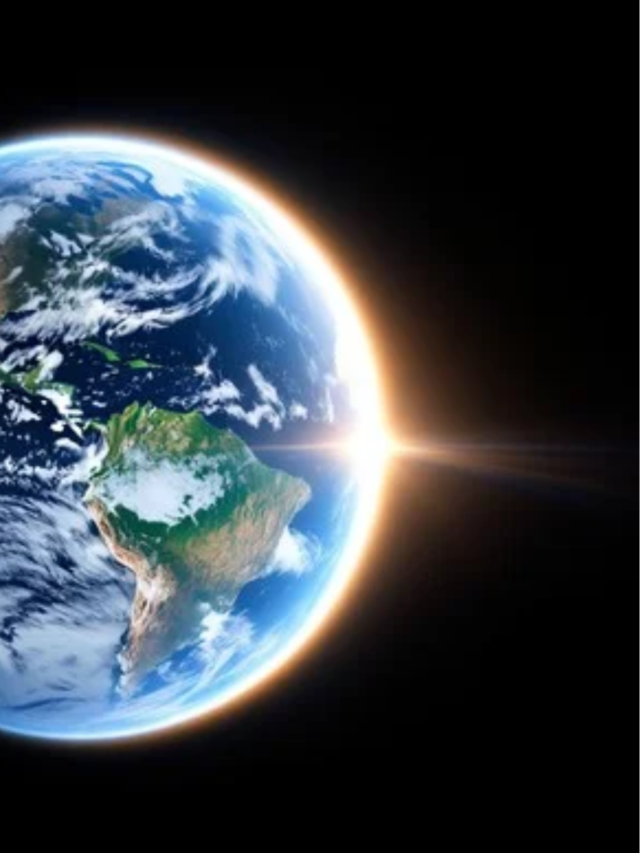
Have you ever wondered what the ultimate fate of our planet might be? According to scientists at organizations like NASA, Earth still has billions of years ahead—but its long-term future is tied closely to the life cycle of our Sun.
The Lifespan of the Sun
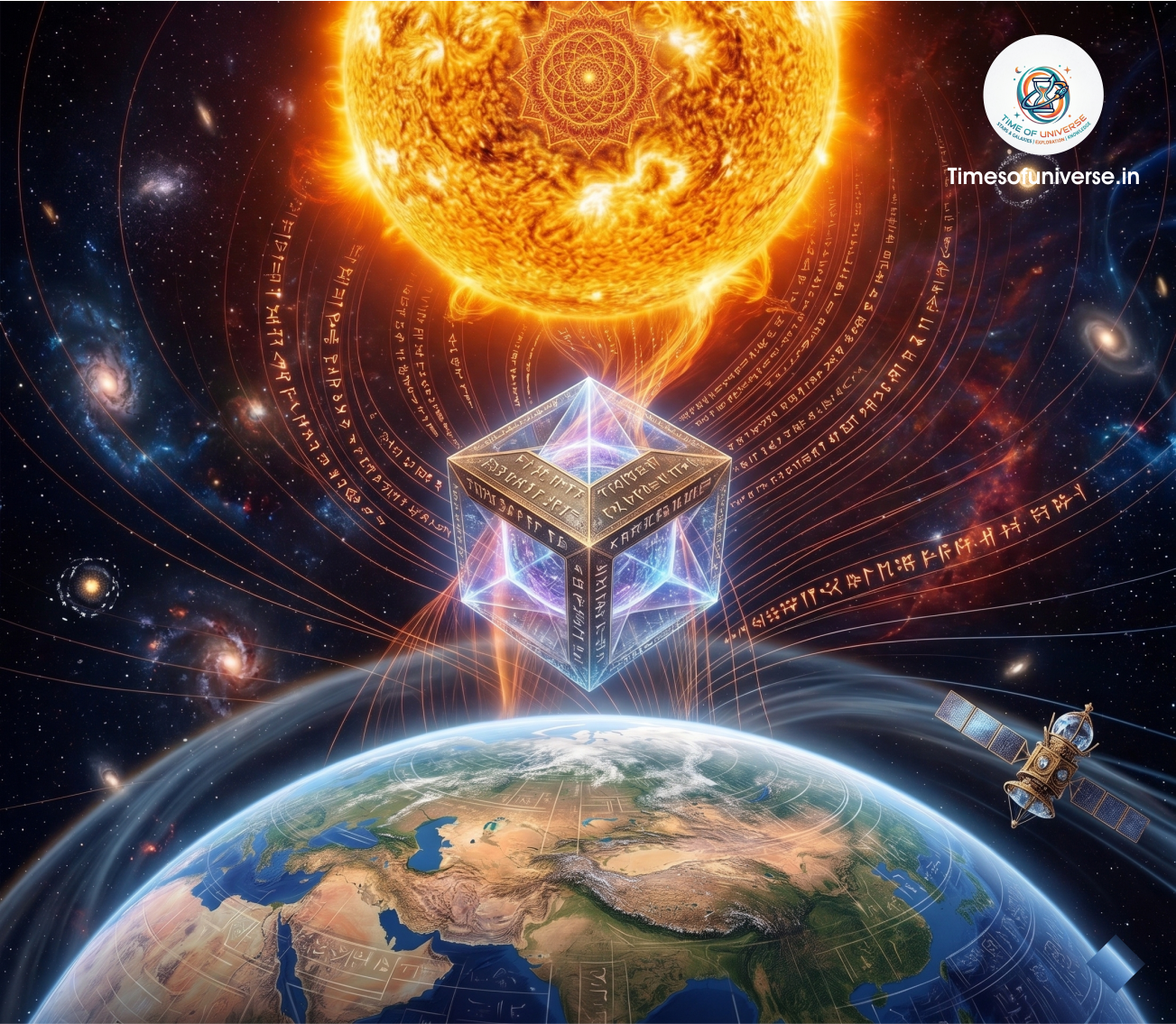
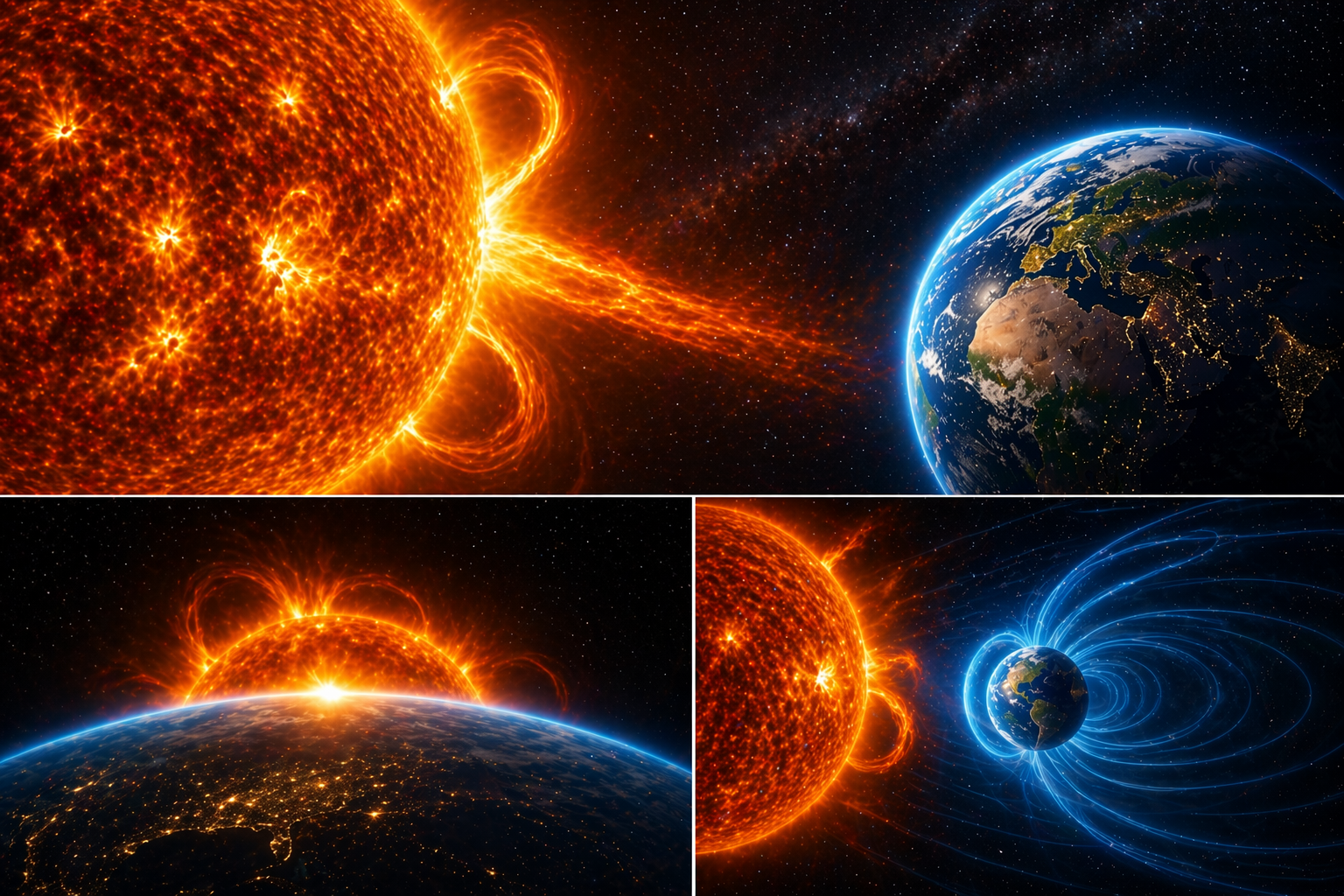
Our Sun, a typical main-sequence star, is estimated to have about 5 billion years remaining in its current stable phase. Right now, Earth is roughly halfway through its total lifespan.
But stars don’t stay the same forever.
The Red Giant Phase
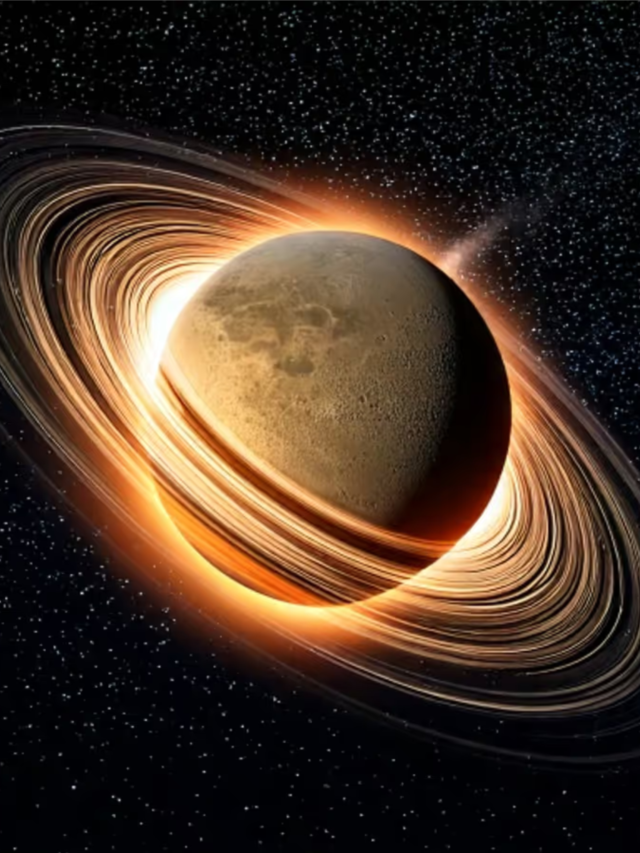
As the Sun ages, it will eventually enter a stage known as a Red Giant. During this phase, the Sun will expand dramatically, becoming much larger and significantly hotter.
Scientists predict that this transformation will have major consequences for Earth:
- Oceans will evaporate due to extreme heat
- The atmosphere will be stripped away
- Surface conditions will become uninhabitable
- Earth could potentially be engulfed by the Sun
Should We Be Worried?
Not at all.
These events are expected to occur billions of years in the future—far beyond any current human timescale. In fact, humanity has an incredibly long time to evolve, innovate, and possibly explore beyond our home planet.
A Bigger Perspective
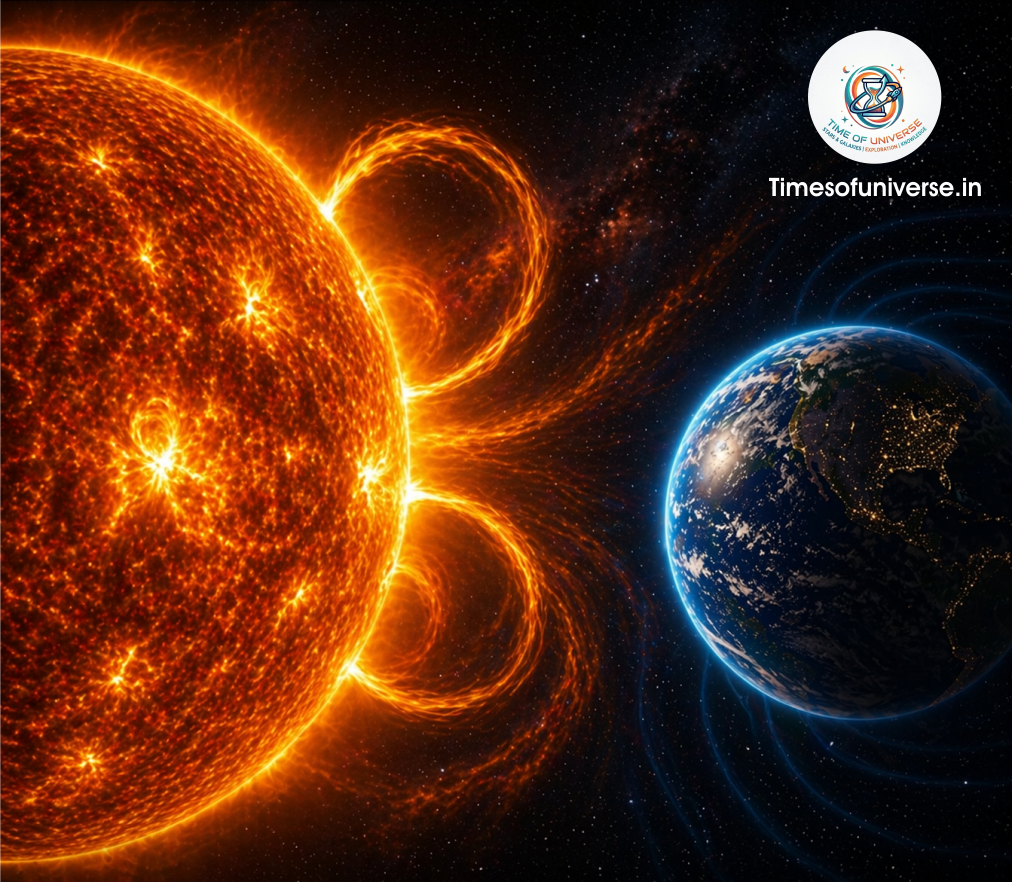
The future of Earth is simply part of a natural cosmic process studied in fields like Astrophysics. Stars are born, they evolve, and eventually, they fade or transform.
It’s not the “end” as we think of it—it’s just the life cycle of a star playing out over unimaginable timescales.
Final Thoughts 🌌
The universe operates on a scale that’s difficult for us to fully grasp. While Earth’s distant future may seem dramatic, it also reminds us how special and temporary our current moment is.
What do you think humanity will achieve in the next billion years?
Will we stay on Earth—or explore entirely new worlds?
Disclaimer: These are long-term scientific projections based on current stellar evolution models. Actual timelines may vary, and any visual representations are artistic interpretations.